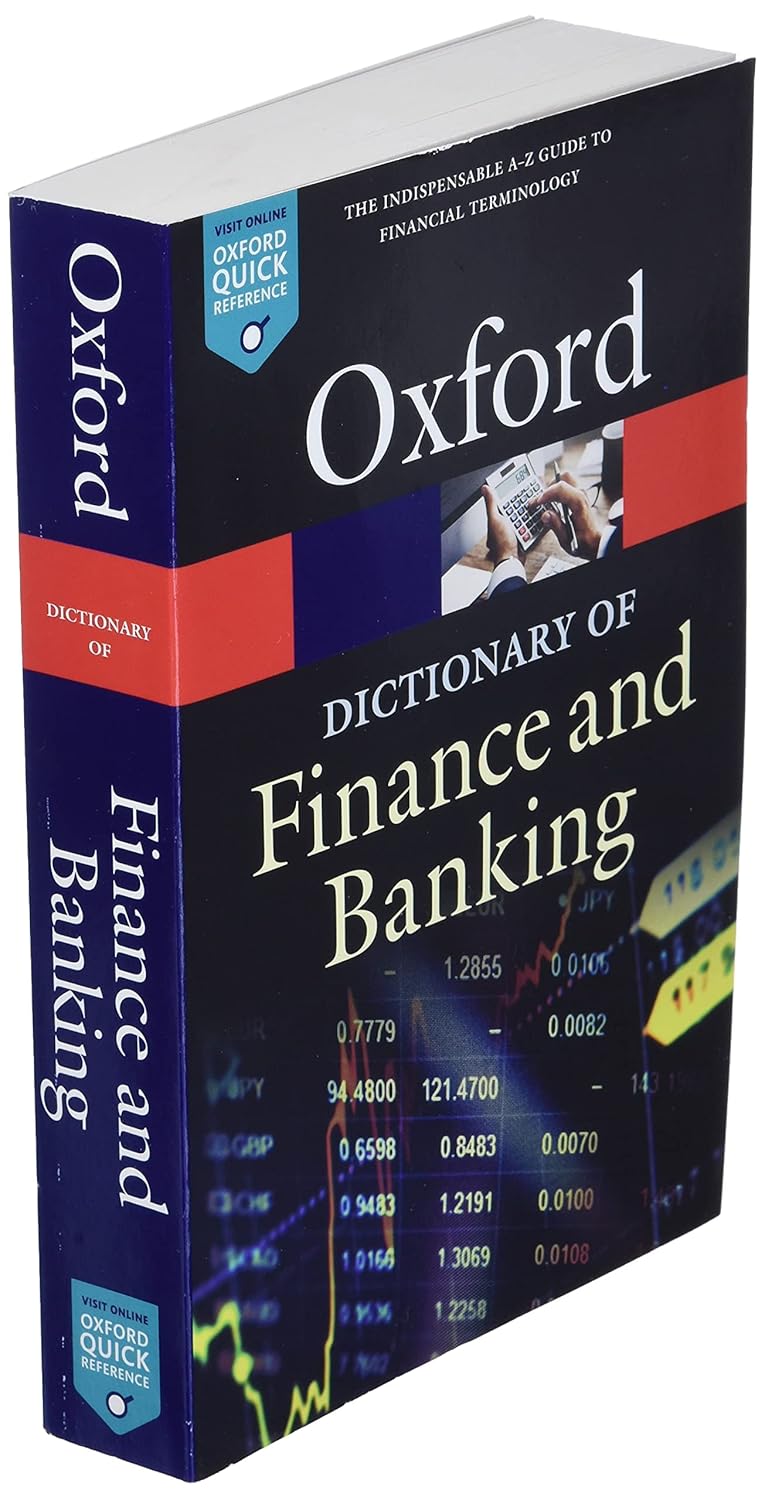
Navigating the complex world of finance and banking can often feel overwhelming, especially with the barrage of unfamiliar terms that flood news reports, investment guides, and policy discussions. Whether you’re a student stepping into the field, a private investor looking to deepen your understanding, or simply a curious reader trying to make sense of financial headlines, having a reliable reference by your side is invaluable. A Dictionary of Finance and Banking (Oxford Quick Reference) offers a comprehensive and accessible solution for anyone eager to decode the jargon and grasp core concepts in this ever-evolving industry.
Key Concepts
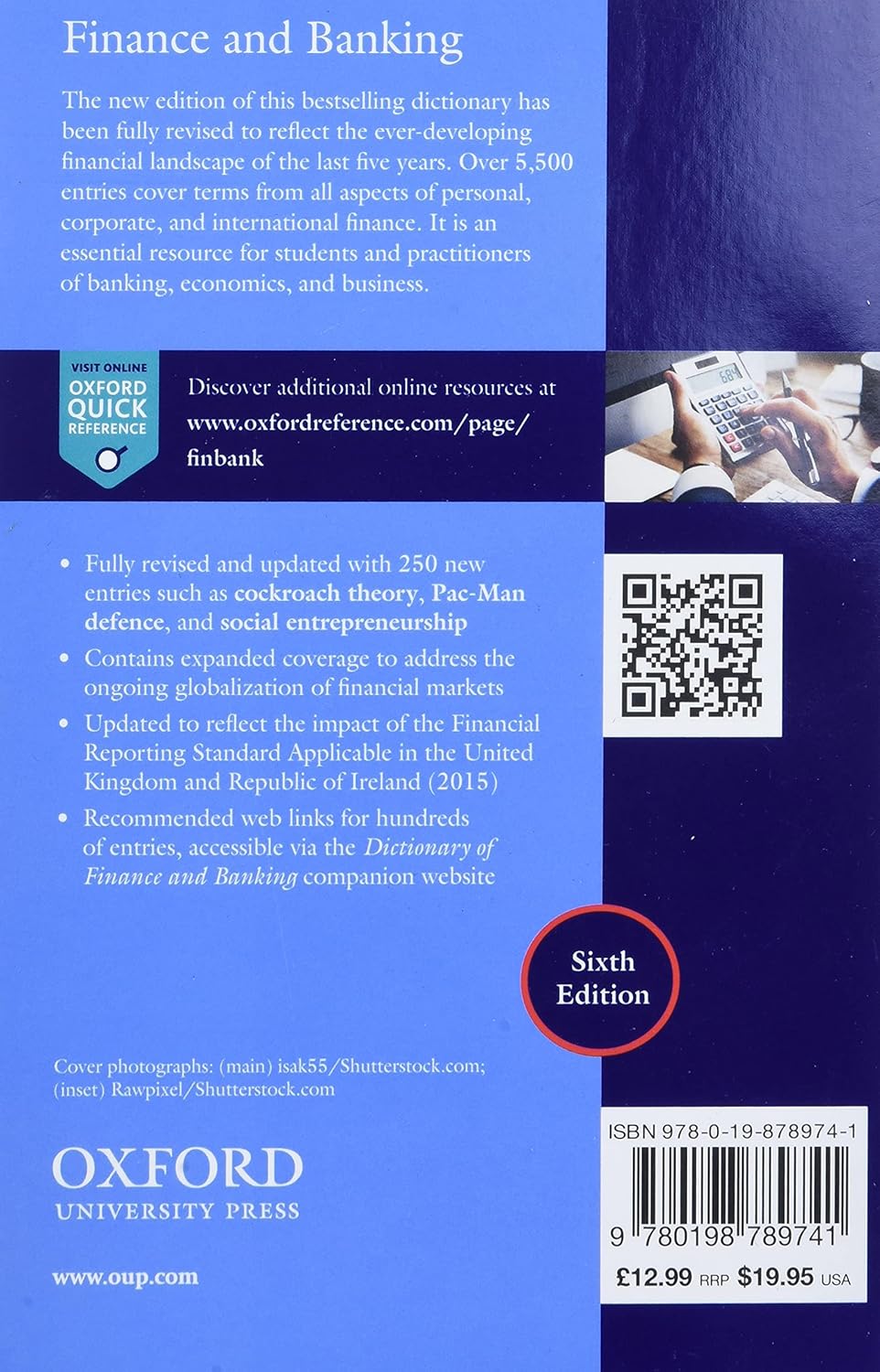
This sixth edition of A Dictionary of Finance and Banking stands out for its extensive coverage and thoughtful updates. With over 5,500 entries, including 150 new terms that reflect the latest developments in global finance, it delivers an A-Z compendium relevant across personal, domestic, and international financial landscapes.
-
Comprehensive Coverage: The dictionary spans topics from money markets and private investments to central banking, foreign exchange, and monetary policy. This wide scope ensures it supports readers who are interested in a broad understanding of financial systems, as well as those focused on specific areas, such as public finance or development finance.
-
Updated International Perspective: Recognizing globalization’s impact on finance, the book incorporates terms such as “village banking,” “Islamic Development Bank,” and “M-Pesa,” highlighting less mainstream but increasingly significant concepts. This broadened global viewpoint helps readers appreciate the diverse mechanisms shaping finance worldwide.
-
Accessible Definitions: The dictionary prioritizes clarity and avoids convoluted jargon. Entries are written in an approachable style, making even complex topics understandable without sacrificing accuracy.
-
Supplementary Online Resources: A companion website offers quick links for further reading, enabling users to deepen their insights beyond the dictionary itself, bridging printed reference with digital exploration.
Together, these features make A Dictionary of Finance and Banking not just a glossary of terms, but a practical learning tool that adapts to the nuances of contemporary finance.
Expand Your Financial Knowledge Now!
Pros & Cons
Pros:
- Comprehensiveness: Users frequently praise the breadth of entries, which make it a one-stop reference for diverse financial topics.
- Up-to-date Content: Readers appreciate the inclusion of modern financial terms and concepts that reflect changing market realities.
- Clarity: The jargon-free approach resonates well with both novices and professionals who value clear, concise explanations.
- Value for Money: At around $18.46, the dictionary offers substantial content and quality comparable to more expensive finance references.
- Excellent for Students and Practitioners: Many reviews highlight its usefulness as a study aid and practical guide in academic and professional settings.
Cons:
- Not a Textbook Substitute: While informative, some users note that the dictionary provides definitions and explanations but does not replace in-depth textbooks or detailed financial analysis.
- Physical Size: A few reviewers mention that the book’s compact format means definitions per entry can be brief, which might require supplemental resources for complex subjects.
- Limited Illustrations: There are few or no charts and diagrams, which some learning styles may find beneficial when grasping certain financial concepts.
Who Is It For?
A Dictionary of Finance and Banking is ideal for a broad audience:
- Students: Particularly those studying finance, economics, business management, or related disciplines who need a reliable quick-reference guide for assignments and exams.
- Finance Professionals: Bankers, financial advisors, and investors needing to refresh or expand their vocabulary with contemporary terms and global finance concepts.
- Private Investors & Savvy Readers: Individuals who follow financial news or manage personal investments will find this dictionary a useful companion to better interpret market reports and policy announcements.
- Educators: As a supplementary classroom resource to foster better comprehension of financial terminology.
In essence, anyone seeking to demystify finance and banking language can benefit from this well-structured collection of definitions.
Discover Essential Banking Terms Here!
Final Thoughts
A Dictionary of Finance and Banking (Oxford Quick Reference) delivers a highly accessible and contemporary glossary of essential financial terms that aligns with the complexities of today’s global markets. Its thorough coverage, clear explanations, and inclusion of relevant new concepts make it a dependable tool for students, professionals, and lay readers alike. Although it is not designed to replace textbooks or detailed analyses, it serves as an indispensable quick-reference guide that simplifies the financial lexicon.
Get Your Oxford Quick Reference Dictionary Today!
With a strong rating of 4.7 out of 5 stars from over 200 reviewers, the value it provides is clearly recognized by its users. If you’re looking to unlock financial language and confidently engage with economic discussions, this dictionary is a worthy addition to your bookshelf.
As an Amazon Associate, I earn from qualifying purchases.